What Is It?
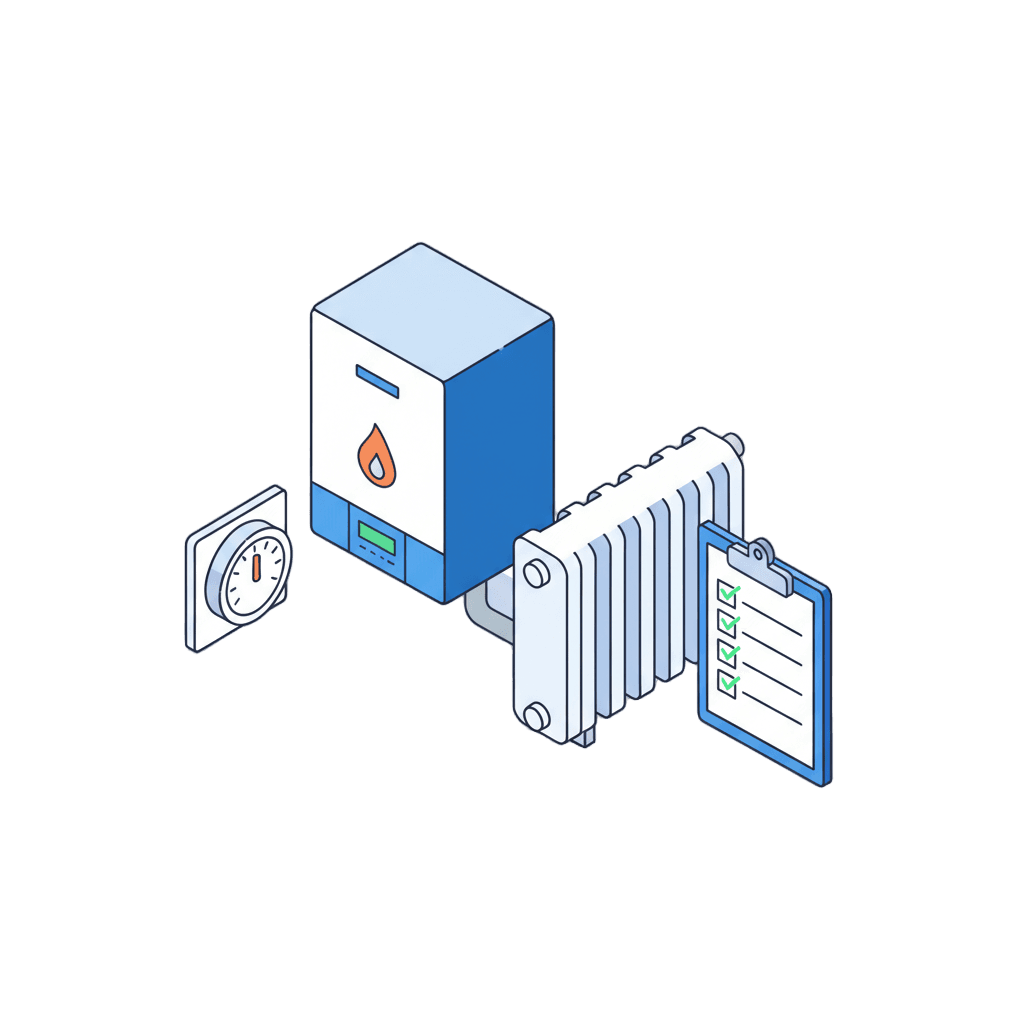
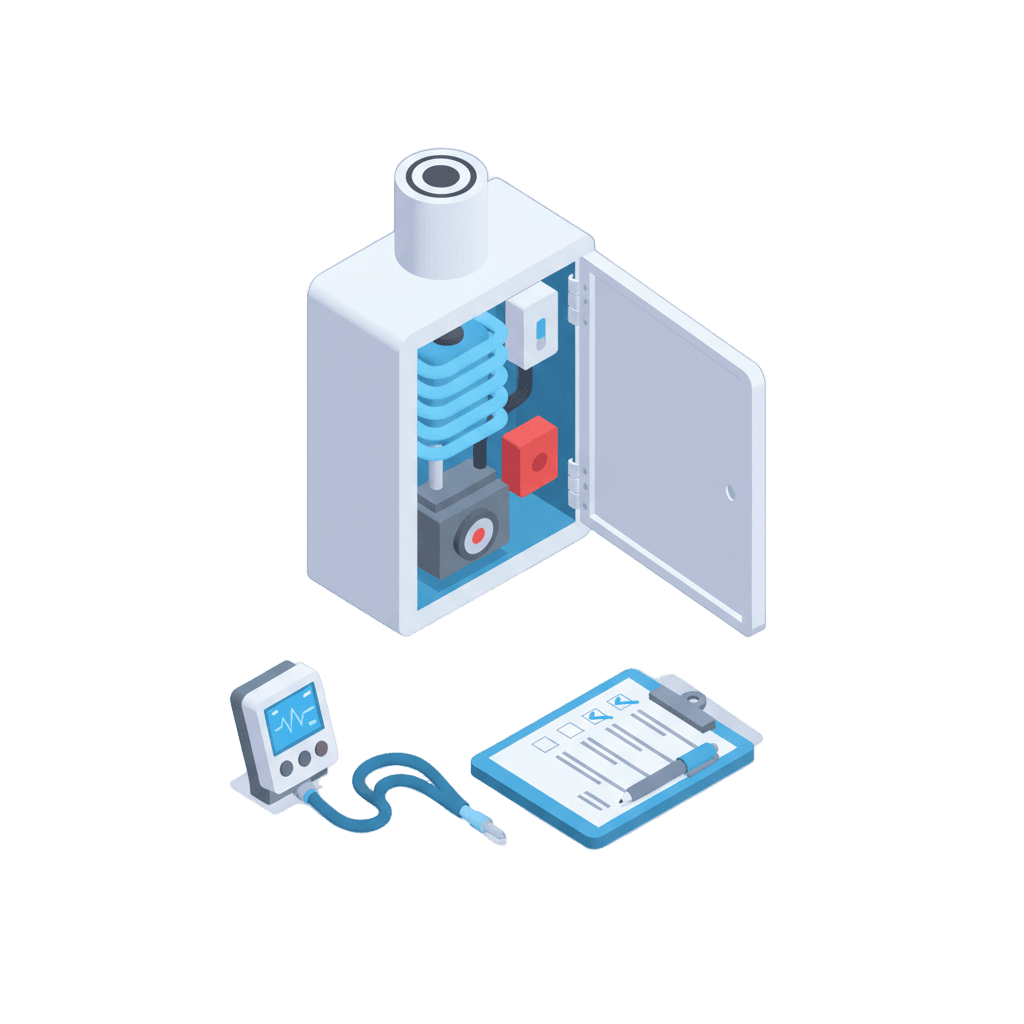
A central heating power flush record is a document completed when a heating system is cleaned with a power-flushing pump. It captures the condition of the system before the flush, the flushing process and the chemicals used, the radiators treated, water clarity and test readings taken before and after, whether a magnetic filter was fitted, and the customer's sign-off. It demonstrates that the system was cleaned in line with BS 7593 and dosed with a corrosion inhibitor, and serves as both a quality record and a warranty support document.
About This Template
A power flush clears sludge, rust, and scale from a central heating system using a high-flow pump and cleaning chemicals. It is often the cure for cold radiators, noisy boilers, and poor circulation — and increasingly it is a precondition before a manufacturer will warrant a new boiler fitted to an old system. A power flush record is the engineer's evidence that the work was carried out properly: it documents the system's condition before and after, the chemicals dosed, the water test readings, and the customer's confirmation. Without that record, the value of the work — and any warranty argument resting on it — is hard to prove.
When to Use
- When cold spots, sludge, or poor circulation indicate a heating system needs a thorough clean
- Before fitting a new boiler to an existing system, where the manufacturer requires the system to be cleaned first
- When a magnetic filter or system inspection reveals significant black iron-oxide sludge
- After repeated radiator bleeding, pump noise, or boiler kettling that points to debris in the system
- When commissioning works require the existing system water to be brought up to standard
- As part of planned maintenance on an older system that has never been chemically cleaned
What to Include
- Property address, customer details, engineer name, and date of the flush
- System details: boiler make and model, number of radiators, and approximate system age
- Pre-flush condition: symptoms reported, radiator temperature survey, and water clarity or test reading before work
- Flushing process: equipment used, sequence of radiators flushed, and total time on site
- Chemicals used: cleaner or descaler product and dose, and the corrosion inhibitor added on refill per BS 7593
- Water test readings before and after — clarity, and inhibitor concentration once the system is refilled and dosed
- Radiators flushed individually, with any that could not be cleared or were found beyond economic repair noted
- Confirmation each radiator was checked for even heat-up after the flush
- Magnetic filter: whether one was fitted or already present, make and model, and its location
- Outcome, any remaining issues or recommendations, and the customer's signature confirming the work
Tips
Carry out a radiator temperature survey before and after the flush — a clear before-and-after comparison is the most persuasive proof to the customer that the work was worthwhile
Always finish a flush by dosing the system with a corrosion inhibitor in line with BS 7593; flushing without re-protecting the system simply lets sludge return
Recommend and, where agreed, fit a magnetic filter — it captures iron oxide continuously and protects the result of the flush going forward
Record water test readings with a test kit before and after so the improvement is documented objectively, not just described
Be honest on the record about radiators that did not fully clear or are corroded beyond saving — managing expectations in writing avoids disputes later